 |
 |
 |
|---|

 |
 |
|---|
 |
|
|---|---|
 |
 |
|
|
 |
|
|
|
 |
|
|
|
 |
|
|
|
 |
|
|
|
 |
|
|
|
 |
|
|
|
 |
 |
|---|
Exploring Genealogy Tests: A Comprehensive GuideIn recent years, genealogy tests have surged in popularity, offering individuals a fascinating glimpse into their ancestral past, personal history, and genetic makeup. These tests, often available in the form of easy-to-use kits, can reveal a wealth of information about one's ethnic background and familial connections. As we delve into the world of genealogy testing, it is crucial to approach this journey with both curiosity and caution, understanding the potential implications and benefits it may bring. Genealogy tests, often referred to as DNA tests, analyze an individual's genetic code to trace lineage and identify ancestral origins. Companies like AncestryDNA, 23andMe, and MyHeritage have made these tests accessible to the general public, each offering unique features and insights. While the prospect of uncovering one's roots is undeniably exciting, it is important to understand the science and limitations behind these tests. The Science Behind Genealogy Tests: At the core of genealogy testing lies the analysis of specific markers in the DNA. These markers, inherited from our parents, provide clues about our ancestry. Autosomal tests, for instance, examine a broad range of DNA, offering insights into recent ancestry from both maternal and paternal lines. On the other hand, mitochondrial DNA tests focus solely on maternal lineage, while Y-DNA tests trace paternal heritage, exclusive to male participants. The Benefits of Genealogy Testing: Beyond satisfying one's curiosity about ancestral roots, genealogy tests can serve as powerful tools for connecting with relatives, understanding ethnic heritage, and even gaining insights into health predispositions. Many users find immense joy in discovering long-lost relatives or verifying family stories passed down through generations. Furthermore, some tests offer health-related information, shedding light on genetic predispositions to certain conditions, although these should be approached with careful consideration and consultation with medical professionals. Approaching Genealogy Tests with Caution: Despite their appeal, genealogy tests are not without controversy. Privacy concerns are paramount, as DNA data is sensitive and potentially vulnerable to misuse. It is essential to read the privacy policies of testing companies thoroughly, ensuring an understanding of how data will be stored, used, and shared. Additionally, test results can sometimes yield unexpected or unsettling information, such as unknown familial connections or genetic risks, which may require emotional preparedness and support.
In conclusion, genealogy tests offer a remarkable window into our past, blending science and personal discovery. By approaching these tests with informed curiosity and caution, individuals can embark on a rewarding journey that deepens their understanding of identity and heritage, while also acknowledging the broader implications and responsibilities that come with exploring one's genetic history. Whether driven by a desire to connect with unknown relatives, confirm family lore, or simply quench a thirst for knowledge, genealogy testing represents a profound intersection of past, present, and future. https://www.crigenetics.com/?srsltid=AfmBOordXnSwDr161pR9K5wQFoE7VeFDNcSwzmd-z-5fT4kWxKrQfRvE
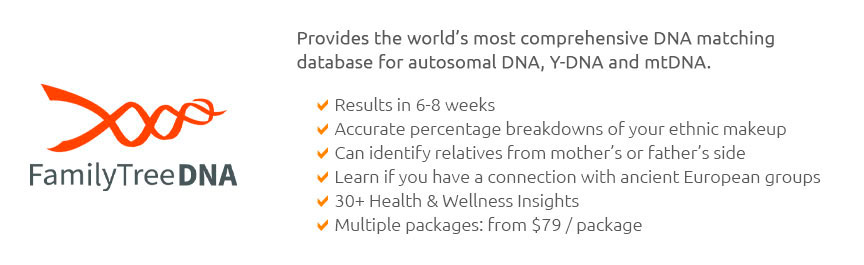
This breakthrough tool will confirm some family stories while also helping you make sense of surprises and mysteries. https://www.familytreedna.com/?srsltid=AfmBOoq0mSinEj_jXVZIqx7fgVzSCbot507_3c-S2QHfygzg7RVAJ7Y0
Learn about your personal history and follow the path of your ancestors with FamilyTreeDNA's industry-leading tests. https://www.23andme.com/dna-ancestry/?srsltid=AfmBOop2eGXmNjG1z-vGd8DyF4GU1VFUYS1BwldvbcJOu69MRChCSYQb
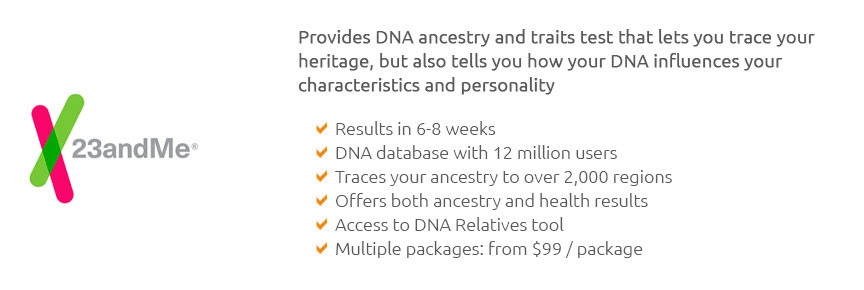
The 23andMe Ancestry DNA testing service offers ancestry breakdowns across 3500+ geographic regions plus insight into your heritage, relatives and more.
|
|---|

